About CNC Plasma Systems
CNC Plasma Systems is a Gqeberha controls shop focused on older CNC plasma tables that still have sound steel in them, with outdated electronics and poor cut control. We retrofit the parts that matter, tune them on site and keep the table working in a way that suits the workshop around it.
Retrofit work for older plasma tables
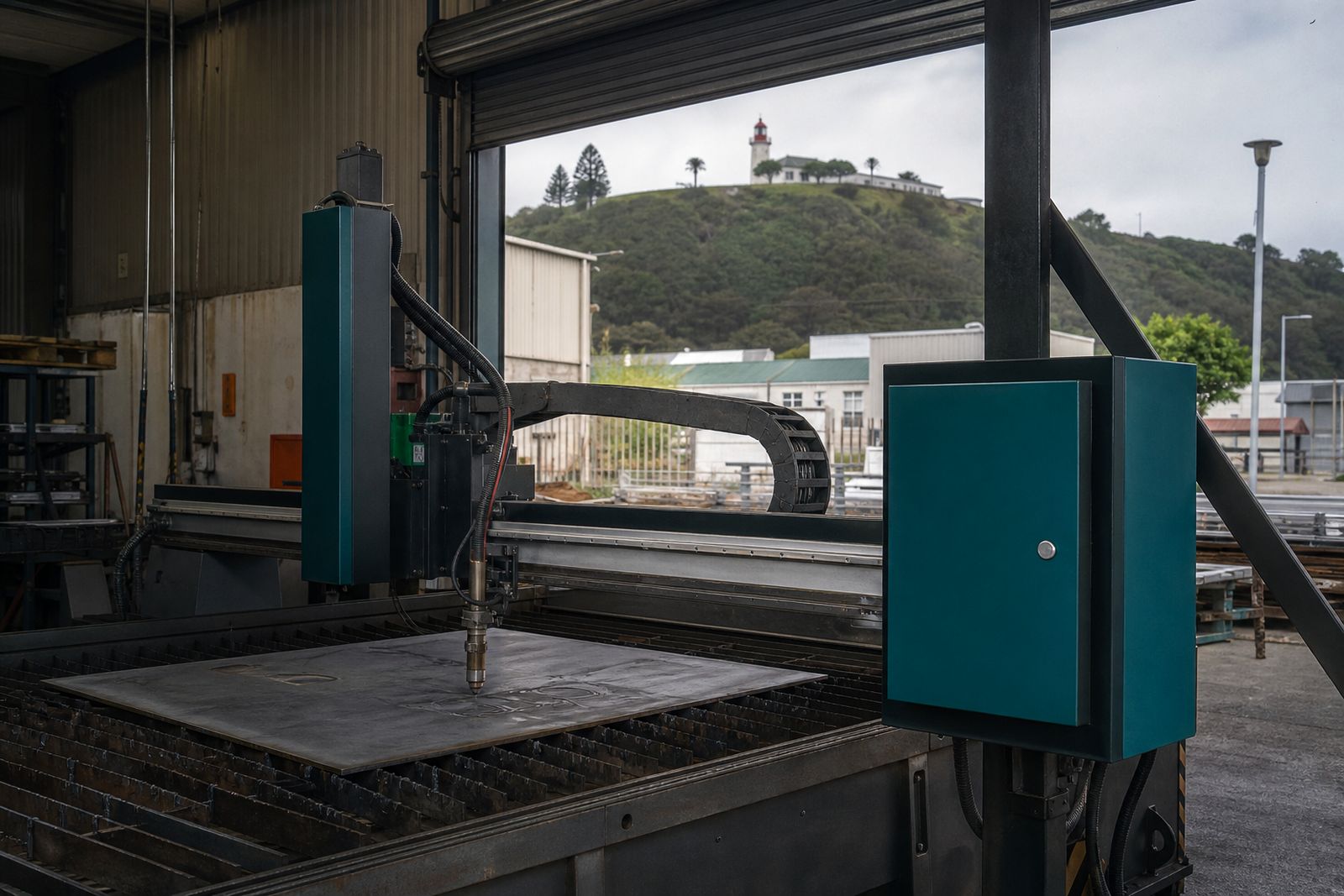
Our work centres on one thing: giving older cutting tables a new control package without replacing the whole machine. Many fabrication shops have a table frame, rails and gantry that can still do honest work, but the controller is dated, height sensing is erratic, software is clumsy and the extraction never kept up. We retrofit and upgrade those areas.
We do not sell complete new machines, replacement beds or used tables. We carry out retrofit work on equipment already on your floor. That can mean a controller swap, torch-height control, nesting and CAM setup, power-source pairing, extraction changes or a broader rebuild where motion and structure need attention before electronics are fitted.
- CNC controller retrofits for existing plasma tables
- Torch-height control upgrades and tuning
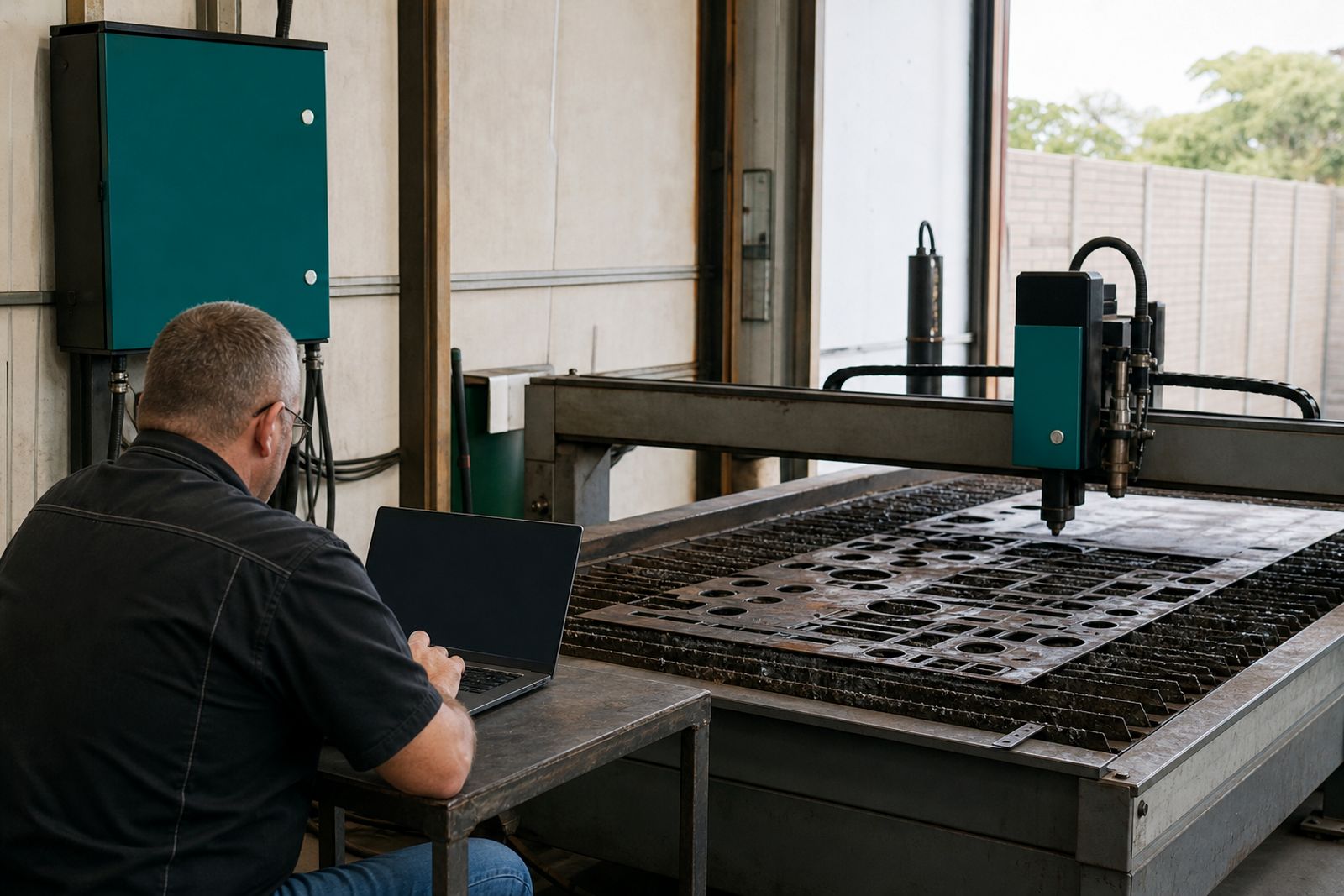
- Nesting and CAM software setup for practical sheet use
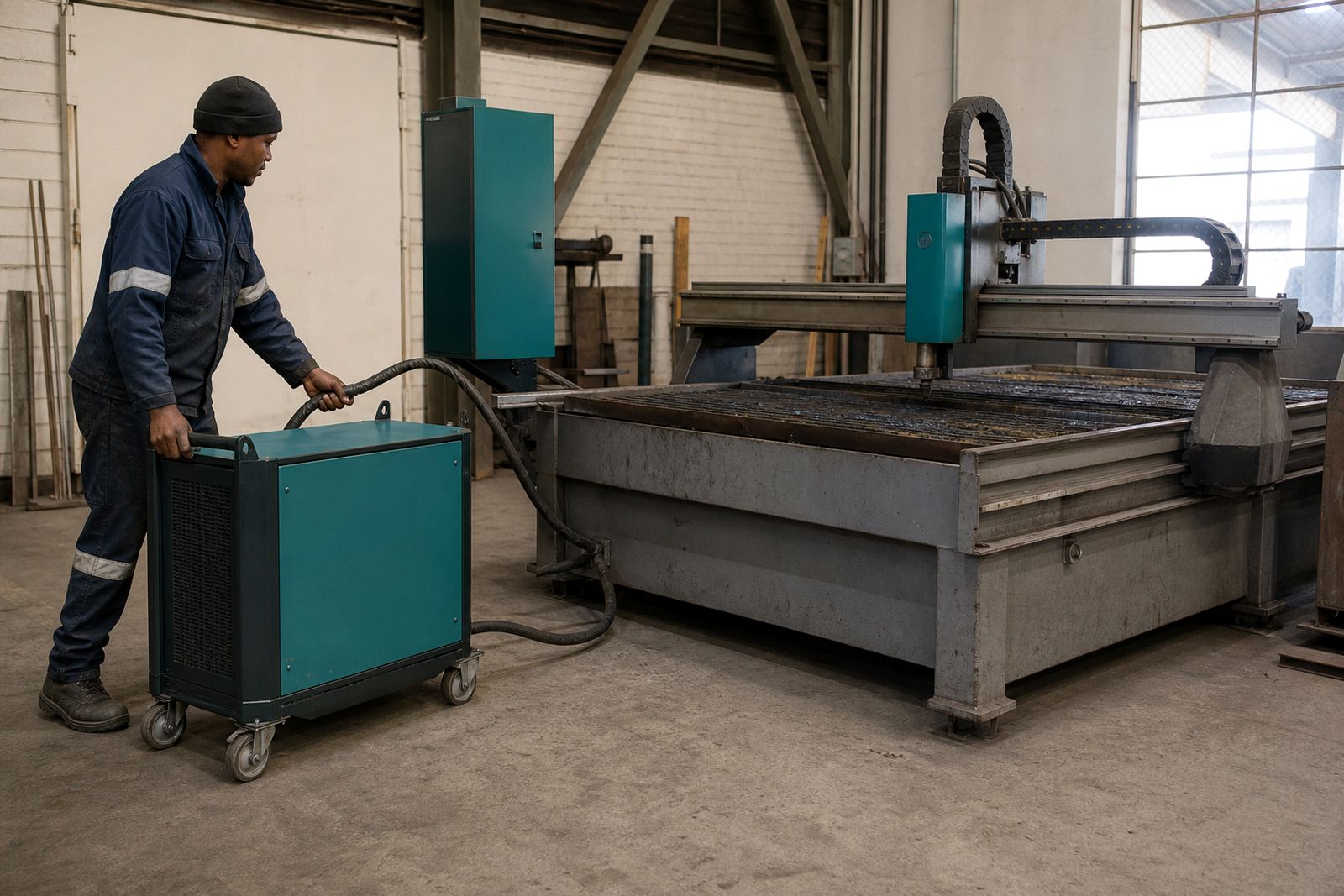
- Power-source pairing to suit thickness range and duty cycle
- Fume extraction changes for safer workshop conditions
The workshops and production teams we work with
Most of our clients are metalworking shops running day-to-day plate and sheet jobs, not showpiece equipment. We work with general fabrication teams, agricultural repair shops, trailer builders, plant maintenance departments and production floors that cut brackets, base plates, gussets, covers and repeat parts in batches. Some tables run every day, others only when a contract lands, but the common problem is much the same: lost cut quality, wasted plate and operators fighting old controls.
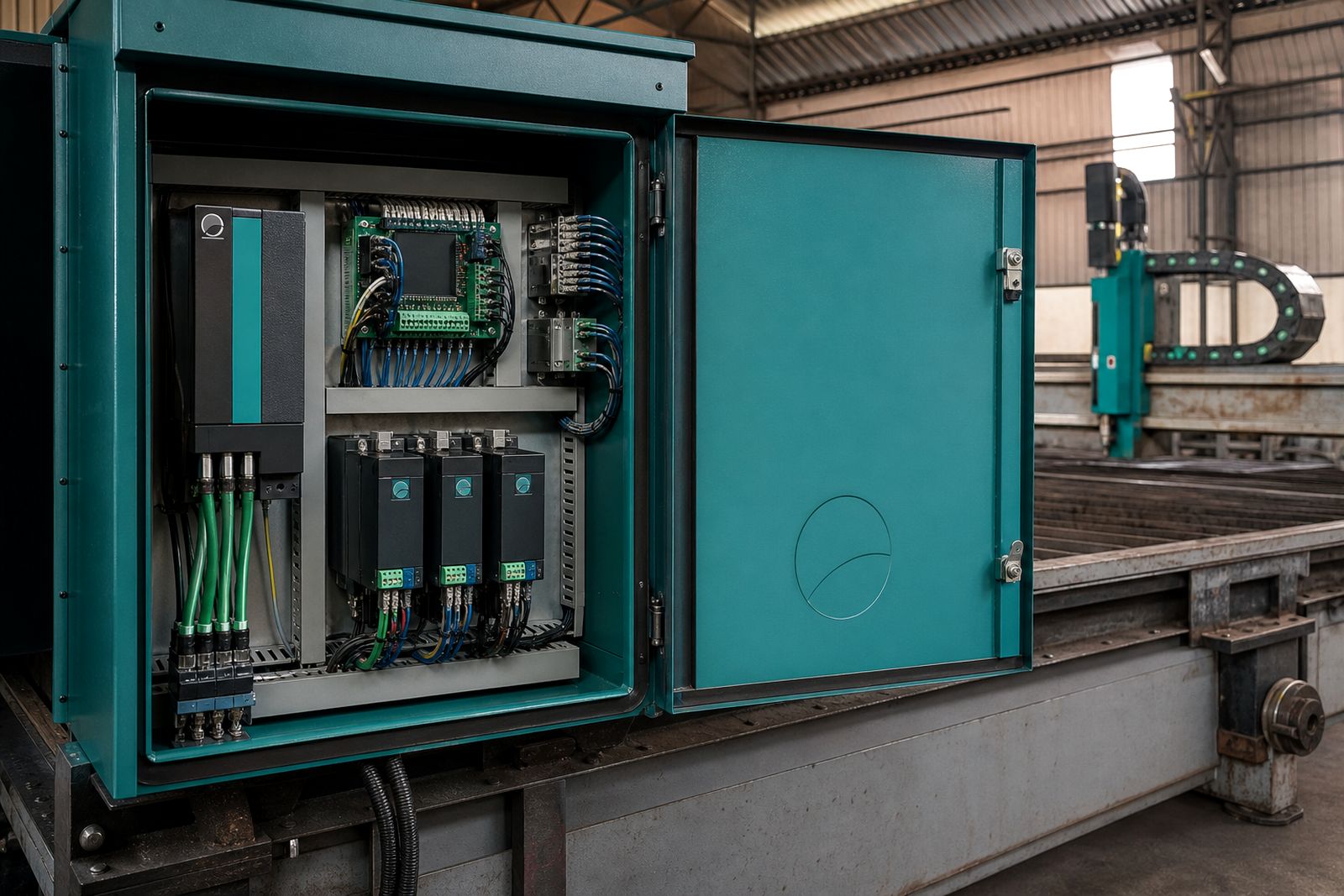
Being based in Gqeberha means we know the local mix of coastal humidity, workshop dust and salt air that gets into cabinets and connectors if enclosures are not sorted properly. Work is regularly done in Kariega, East London and Makhanda, with retrofit crews also travelling to the Western Cape, Free State and Gauteng when the scope makes sense.
- Shops keeping an older gantry table in service
- Production teams needing steadier edge quality on repeat parts
- Owners comparing retrofit cost against replacing the full table
- Operators who need controls that are clearer to run on a busy floor
How the team is set up
This is a technical shop, so jobs are handled by role rather than handed from one general office contact to another. The applications lead looks at the current table, material range and present cutting problems. The controls technician handles cabinet layout, wiring changes and controller integration. The software side covers nesting, post setup and practical cut sequencing. For site work, the field crew installs, aligns, tests and tunes the system on the customer floor.
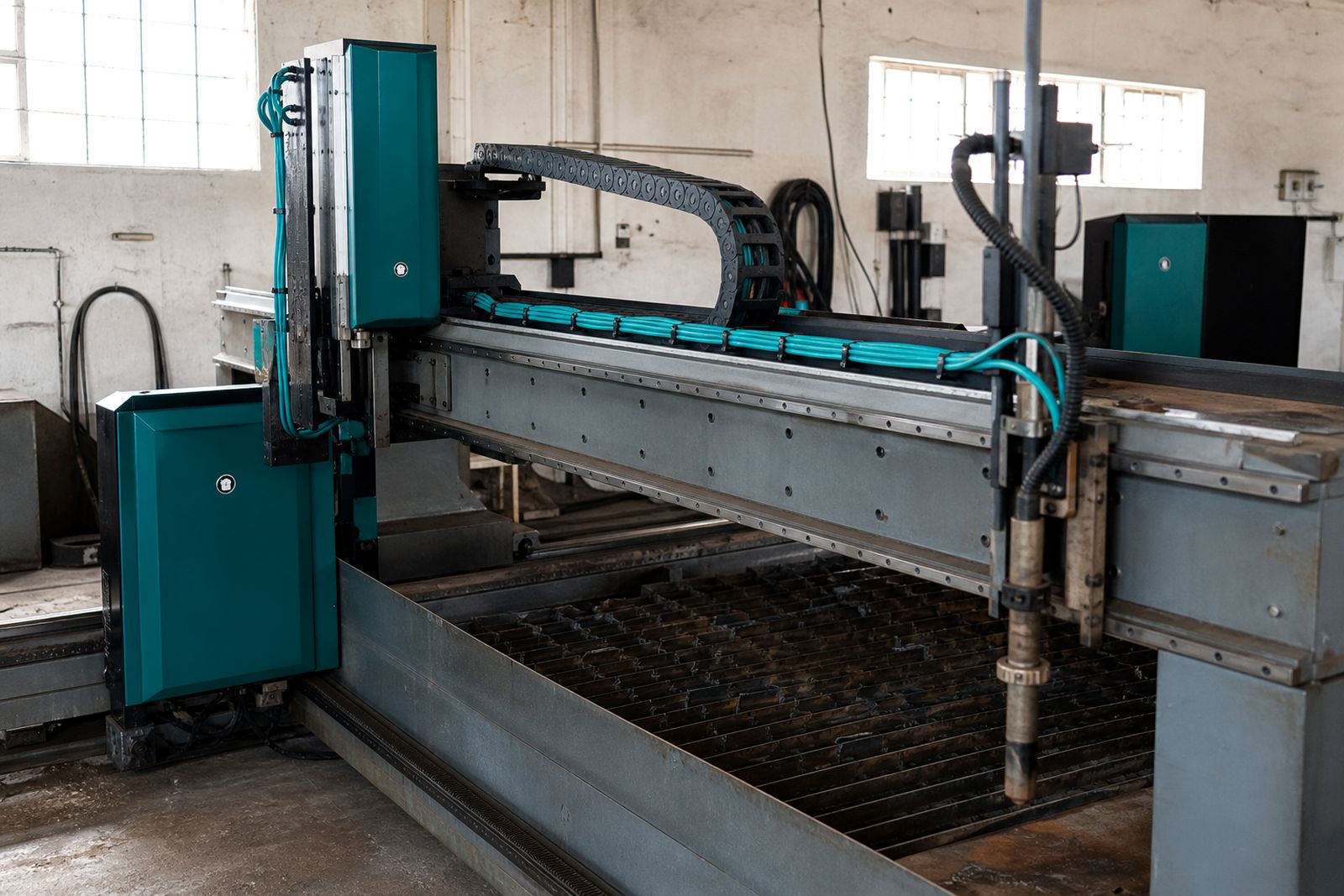
Where a table has mechanical wear, the rebuild side checks rail condition, drive play, cable routing and gantry movement before electronics are blamed for everything. That matters, because no controller can hide poor motion. The team will say a frame needs work first and avoid fitting new control hardware onto a table that will never track properly.
Our Gqeberha premises
From our Gqeberha shop and office, retrofit kits are prepared, panels are assembled and software settings are checked before field installation. It is a working premises with control components, cable sets, torch-height hardware, extraction parts and test assemblies set up around live jobs.
That setup helps when a customer sends through photos of an ageing cabinet or a torch carriage that has been modified over time. The team can compare mounting space, cable entries and enclosure condition against known retrofit layouts before going to site. It saves wasted travel and avoids the sort of surprises that often show up once an old door is opened.
How a retrofit job moves from enquiry to commissioning
Most projects start when a workshop manager or owner sends machine details through our contact form. Good starting information includes table size, material thickness range, current controller condition, torch-height problems, the power source in use and a few clear photos of the gantry, cabinet and cutting area. From there, the scope is narrowed to what the table actually needs instead of what a catalogue would like to sell.
On site, the job is normally broken into inspection, strip-out, installation, setup, test cutting and operator handover. If extraction needs work, duct routing and capture at the table are checked as part of the layout. Where municipal extraction rules or workshop safety requirements affect the design, those practical limits are worked into the plan.
- Initial review of the existing table and current faults
- Retrofit scope matched to the table, work mix and operator needs
- Installation and wiring on site
- Software, cut settings and height control tuning
- Test cuts on the materials the workshop actually runs
- Operator handover and aftercare support
Aftercare that stays tied to the real machine
After commissioning, support is based on the actual retrofit fitted to the table, the software in use and the cut behaviour seen during setup. That means help is grounded in known parameters instead of guesswork. A shop cutting thin sheet all day needs different attention from one cutting thicker plate twice a week, and the aftercare reflects that.
Customers also contact us when a table starts showing signs of drift, consumable use becomes uneven or cabinet conditions near the coast begin affecting electronics. Sometimes the fix is a software adjustment. Sometimes it is sensor setup, earthing checks or cleaning out moisture damage before it gets worse. The aim is to keep an older table cutting cleanly for useful work until replacement is properly due.
Questions we get asked
Do you sell complete new plasma tables?
CNC Plasma Systems focuses on retrofits for existing tables, including controls, height control, software, power-source pairing and extraction changes.
Can you work on tables outside Gqeberha?
Regular work is done across the Eastern Cape, and retrofit crews travel to the Western Cape, Free State and Gauteng for suitable jobs.
What should I send with my first enquiry?
Table size, photos of the gantry and cabinet, current control problems, material thickness range and details of the present power source help us assess the retrofit scope.
Also worth a look
Tell us about the job
Send sizes, materials and where you are through our contact form, and we will come back with the practical options.
Open the contact form